Back to top

HDPE PIPES

HDPE PIPES
HDPE PIPES
HDPE PIPES
HDPE PIPES
HDPE PIPES
HDPE PIPES
HDPE PIPES

HDPE PIPES Specification

  • End Protector
  • Plastic Caps or Sealed Ends
  • Surface Finish
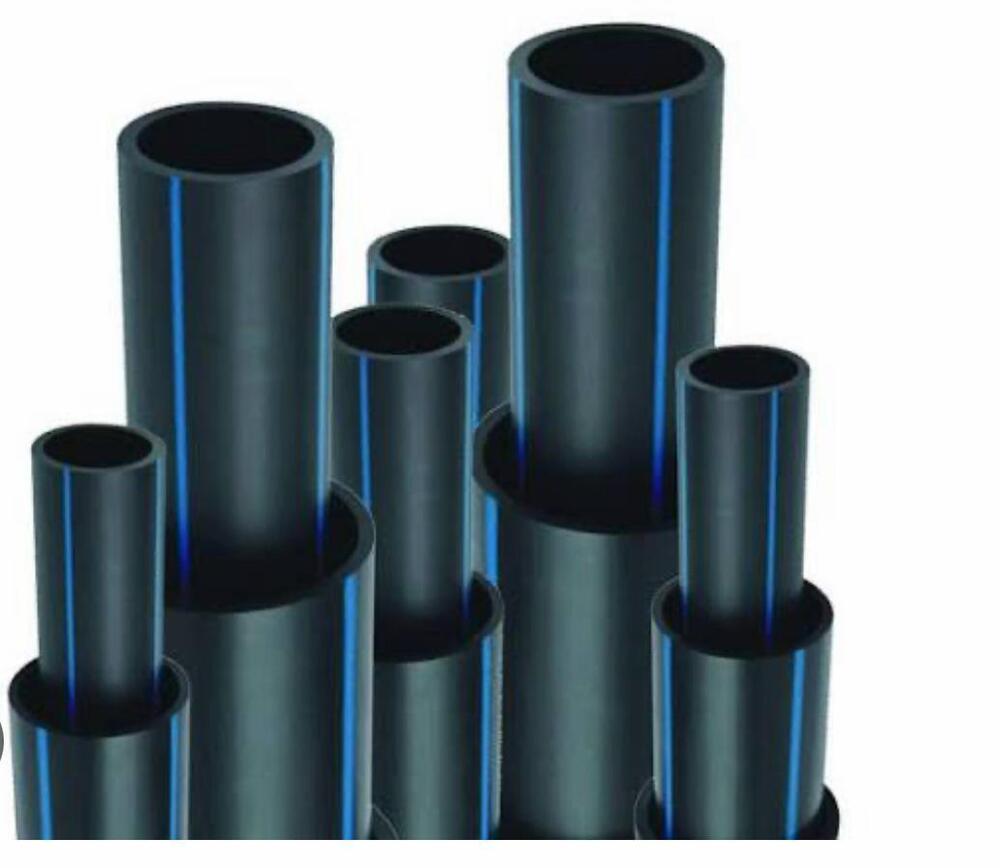
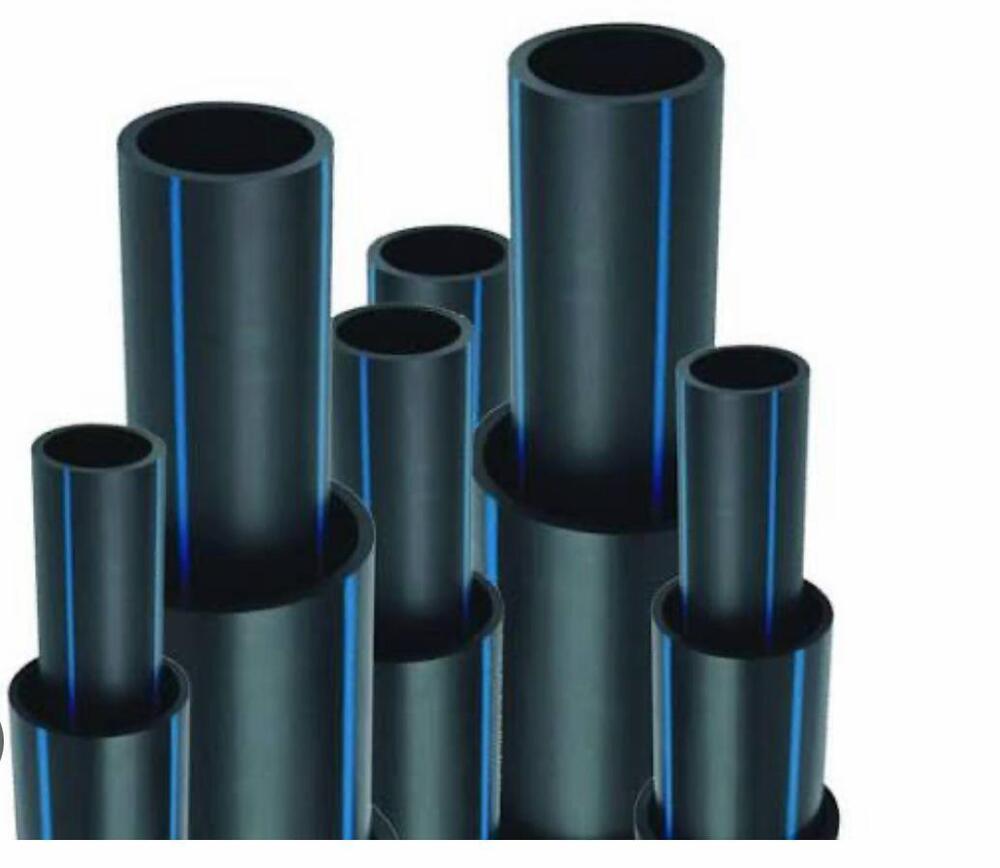
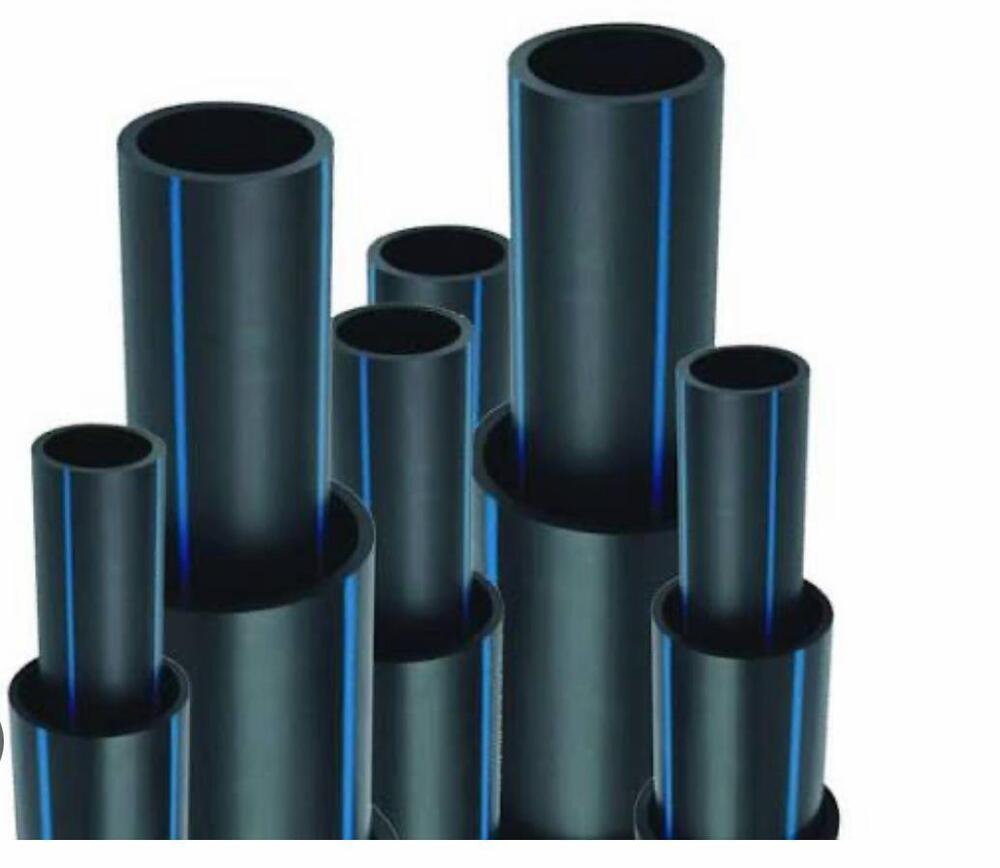
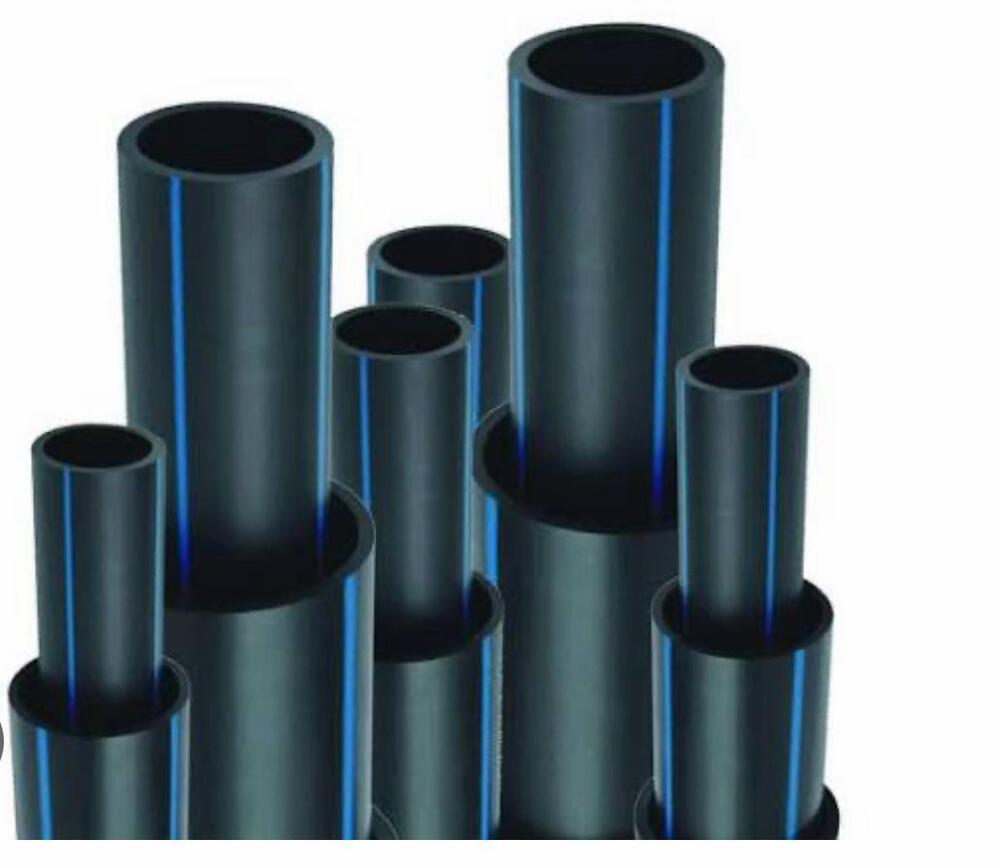
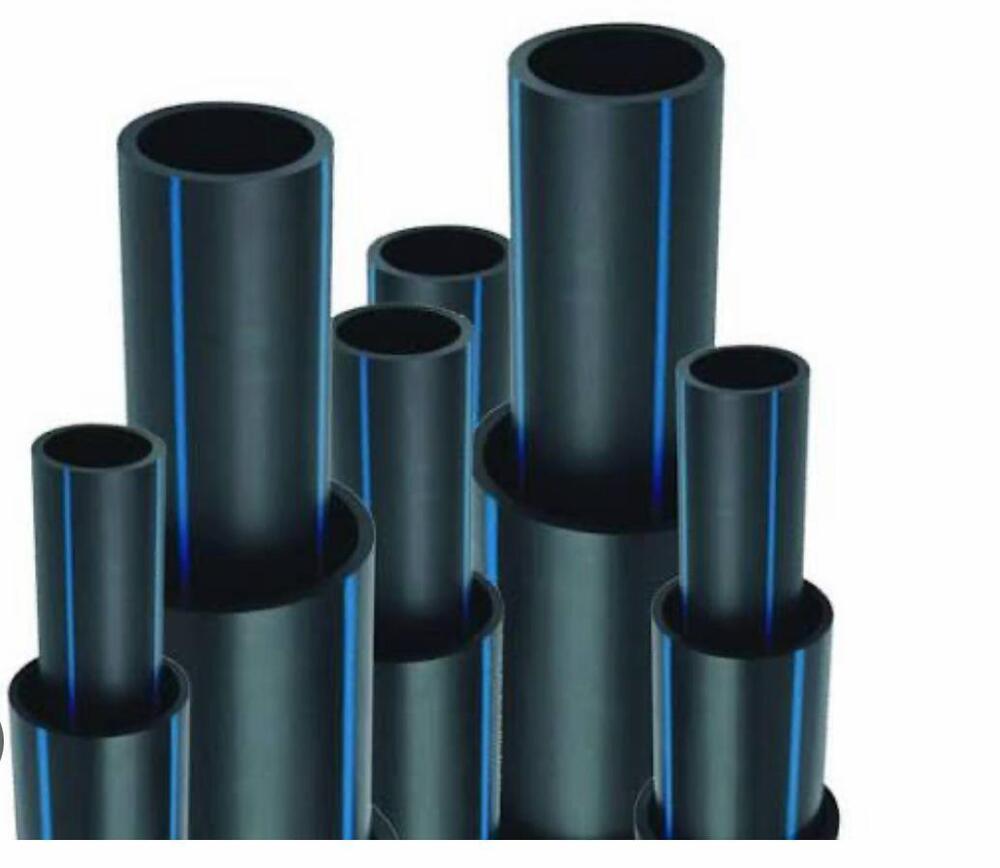
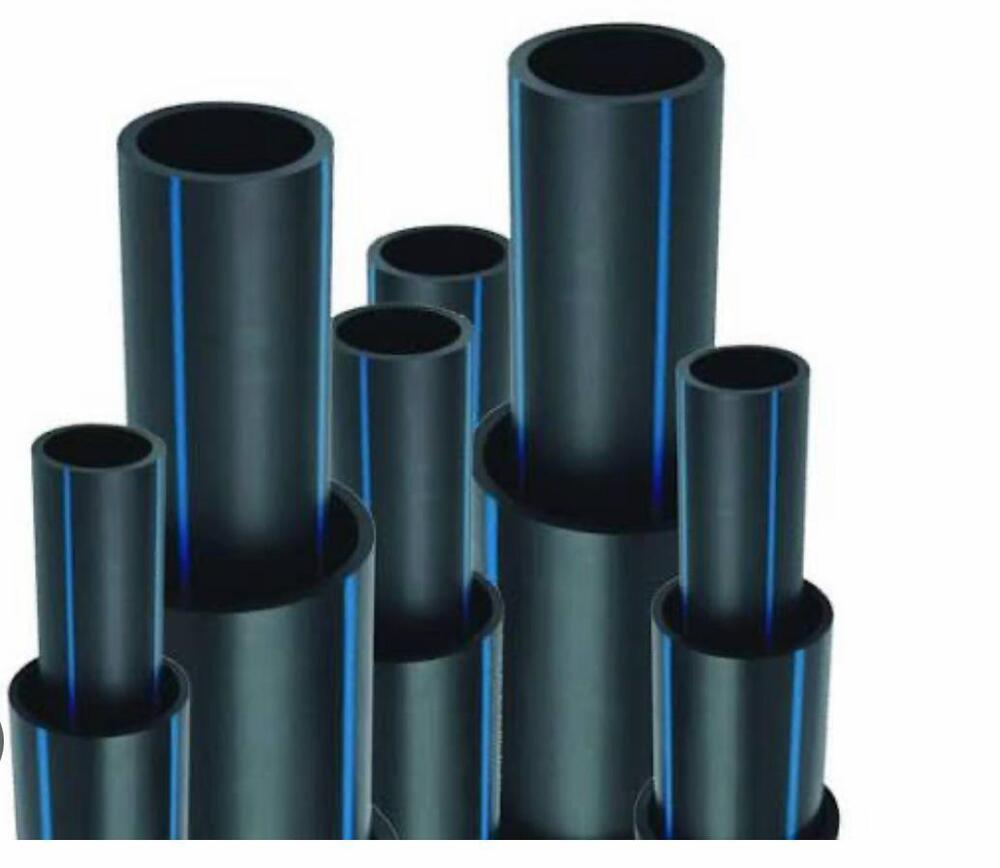
  • Smooth, Black with Blue Stripes
  • Feature
  • Corrosion Resistant, Leak Proof, Flexible, UV Resistant
  • Tolerance
  • As per IS 4984/ ISO 4427 Standards
  • Material
  • High Density Polyethylene (HDPE)
  • Application
  • Water Supply, Irrigation, Gas Distribution, Sewage, Industrial Applications
  • Section Shape
  • Cylindrical
  • Connection
  • Butt Weld, Electrofusion, Mechanical Joint
  • Product Type
  • Mild Steel Pipes
  • Thickness
  • 2 mm to 60 mm or as specified
  • Type
  • Solid Wall Pipe
  • Shape
  • Round
  • Technique
  • Extruded
  • Surface Treatment
  • Pigmented for UV Resistance
  • Alloy or Not
  • Not Alloy
  • Standard
  • IS 4984, ISO 4427, DIN 8074/8075, ASTM D3035
  • Grade
  • PE63, PE80, PE100
  • Outer Diameter
  • 16 mm to 630 mm
  • Size
  • As per customer requirement
  • Length
  • 6m, 12m or As per coil (standard up to 500m for smaller diameters)
  • Resistant to Chemicals
  • Acids, Alkalis, Salts, Microorganisms
  • Tensile Strength
  • >21 MPa
  • Elongation at Break
  • >350%
  • Life Expectancy
  • 50+ Years under Normal Use
  • Density
  • 0.941-0.965 g/cm3
  • Pressure Rating
  • 2.5 to 16 bar (PN2.5, PN4, PN6, PN8, PN10, PN12.5, PN16)
  • Temperature Range
  • -40C to +80C
  • Color
  • Black with Blue, Yellow, or Red Stripes
  • Jointing Method
  • Fused, Flanged, Coupled, Welded
 

HDPE PIPES Trade Information

  • Minimum Order Quantity
  • 10 Meters
  • Payment Terms
  • Cash in Advance (CID)
 

About HDPE PIPES

Features

  • Corrosion and chemical resistant
  • UV stabilized
  • Leak-proof joints
  • Lightweight and easy to install
  • High impact strength
  • Long service life (50+ years)
  • Flexible and crack resistant
  • Low maintenance
  • Non-toxic and safe for potable water


Exceptional Reliability and Longevity

Designed to deliver uncompromising performance, these HDPE pipes feature robust mechanical properties, including a tensile strength greater than 21 MPa and elongation at break over 350%. With a projected lifespan of more than 50 years under standard conditions, they promise long-term durability and minimal maintenance. Their corrosion resistance and UV stability further enhance their suitability for challenging environments.


Versatile Applications and Customization

Suitable for a wide range of uses-water supply, irrigation, gas distribution, sewage, and industrial settings-these pipes are available in various grades (PE63, PE80, PE100) and pressures (PN2.5 to PN16). Customers can specify lengths, diameters, and thicknesses according to project requirements. The pipes meet national and international standards like IS 4984, ISO 4427, DIN 8074/8075, and ASTM D3035.

FAQ's of HDPE PIPES:


Q: How are HDPE pipes jointed and what methods are available?

A: HDPE pipes can be jointed using fused (butt or electrofusion), flanged, coupled, or welded methods. These techniques create strong, leak-proof connections suitable for both above and below-ground installations. The choice of jointing method depends on site conditions and application requirements.

Q: What makes HDPE pipes suitable for corrosive or harsh environments?

A: HDPE pipes are inherently resistant to chemicals, including most acids, alkalis, salts, and microorganisms. Additionally, their pigmented surface offers UV resistance, making them ideal for outdoor and underground applications where corrosion, chemical exposure, or weathering is a concern.

Q: When should I choose HDPE pipes for my project?

A: HDPE pipes are ideal whenever long-term reliability, flexibility, corrosion resistance, and leak-proof performance are vital. They are particularly suitable in municipal water supply, irrigation, gas distribution, sewage, and a broad range of industrial applications.

Q: Where are HDPE pipes commonly used?

A: These pipes are widely used in water supply networks, irrigation systems, natural gas transport, sewage conveyance, and various industrial applications due to their strength, versatility, and adaptability to different site conditions.

Q: What is the process for customizing HDPE pipes to specific requirements?

A: Customers can specify parameters such as outer diameter (16-630 mm), wall thickness (2-60 mm), length (standard or coil), and color stripe. Pipes can be produced according to required standards like IS 4984 or ISO 4427, ensuring precise compliance and fit for the project.

Q: What are the benefits of using HDPE pipes over traditional materials?

A: HDPE pipes offer a combination of high flexibility, lightweight, ease of installation, exceptional corrosion and chemical resistance, leak-proof joints, and long operational life. These characteristics result in reduced maintenance, lower replacement costs, and reliable performance.

Tell us about your requirement
product

Price:

Quantity
Select Unit

  • 50
  • 100
  • 200
  • 250
  • 500
  • 1000+
Additional detail
Mobile number

Email

More Products in Mild Steel Pipe Category

Mild Steel ERW Pipes

Mild Steel ERW Pipes

Price 78 INR / Kilograms

Minimum Order Quantity : 100 Kilograms

Shape : Round

Product Type : Mild Steel Pipes

Material : Mild Steel

Application : Construction

2 Inch Mild Steel Round Pipe

2 Inch Mild Steel Round Pipe

Price 78 INR / Kilograms

Minimum Order Quantity : 100 Kilograms

Shape : Round

Product Type : Mild Steel Pipes

Material : Mild Steel

Application : Construction

Rounded Pipe

Rounded Pipe

Price 82 INR / Kilograms

Minimum Order Quantity : 100 Kilograms

Shape : Round

Product Type : Mild Steel Pipes

Material : Mild Steel

Application : Construction

Mild Steel Square Pipe

Mild Steel Square Pipe

Price 78 INR / Kilograms

Minimum Order Quantity : 100 Kilograms

Shape : Square

Product Type : Mild Steel Pipes

Material : Mild Steel

Application : Construction